
Conference Summary
Since 1985, this conference has been the premier international meeting devoted exclusively to the study of genetic recombination and genomic rearrangements. Recombination is a fundamental DNA repair process that plays essential roles in the replication, maintenance, preservation, evolution, and transmission of the genome. Originally centered on meiosis, the field has expanded dramatically to encompass the essential role of recombination in maintaining genome integrity across all cell types. Its implications also apply to the study of DNA repair, especially in response to environmental stressors and chemotherapeutic agents.
This year’s program will focus on the mechanisms of recombination in various cellular contexts, genome instability, and the links between recombination and aging, as well as its connection to human diseases, especially cancer. The conference will bring together scientists at all career stages who investigate diverse aspects of recombination and genome maintenance, using a wide range of biological systems and experimental approaches. The agenda will feature a broad array of keynote lectures, platform presentations, panel discussions, and numerous opportunities for short talks and networking.
Attendees will learn about:
• Mechanisms of homologous recombination, from initiation to completion.
• Genome rearrangements, specifically regarding mechanisms and consequences.
• The interplay between recombination and other cellular processes.
Program Topics
• Molecular mechanisms that underpin each step in the recombination reaction
• Telomere metabolism and maintenance mechanisms in cancer
• Genome rearrangements, including chromothripsis and their links to tumorigenesis
• Replication- and transcription-associated recombination
• Regulation of recombination by post-translational protein modification
• The role of chromatin structure in recombination and DNA damage signaling
• Meiotic recombination, gamete quality, and fertility
Workshops
A series of Meet the Expert sessions will be held. Early-career scientists will be matched with experienced professionals for informal, focused conversations on scientific topics, research strategies, and career advice.
The Career Development Workshops will feature interactive panel discussions on academic and non-academic career paths. This will include meetings with researchers from industry, biotech, and scientific publishing to provide mentorship, practical guidance, and support for the next generation of researchers.
Keynote Speakers

Wolf-Dietrich Heyer, PhD
Distinguished Professor and Chair
University of California, Davis
Davis, CA
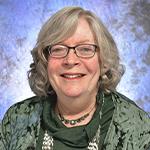
Anne Villeneuve, PhD
Berthold and Belle N. Guggenhime Professor and Professor of Developmental Biology and of Genetics
Stanford University
Stanford, CA
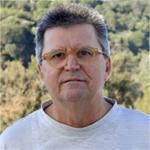
Andrés Aguilera, PhD
Professor
University of Seville, Cabimer
Seville, Spain
The EMBO Keynote Lecture
Organizers
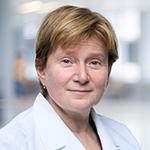
Primary Organizer:
Anna Malkova, PhD
Mays Family Foundation Distinguished Chair in DNA Repair Genetics
UT Health San Antonio
San Antonio, TX
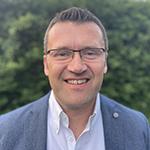
Simon Boulton, PhD
Principal Group Leader - Assistant Research Director
The Francis Crick Institute
London, UK
Ralph Scully, PhD
Professor of Medicine
Beth Israel Deaconess Medical Center and Harvard Medical School
Boston, MA
Important Dates
Extended Abstract Submission Deadline (For Posters only): Monday, June 8, 2026
Early Registration Deadline: Sunday, May 31, 2026
Housing Deadline: Tuesday, June 30, 2026
Registration Cancellation Deadline: Sunday, June 21, 2026
Regular Registration Deadline: Sunday, July 5, 2026
Attendance Request
Email template with talking points
Venue
Nestled at the base of Camelback Mountain, Omni Scottsdale Resort & Spa at Montelucia transports you to the sun-drenched landscapes of Andalusia. Designed in the tradition of a Spanish village, the resort’s archways, tiled courtyards and hand-carved wooden doors evoke the romance of old-world Spain.
Sign Up for Event Updates